

Move with purpose.
We treat more than the painful area. We study how your whole body moves, then build a plan that restores strength, confidence, and long-term function.

Your body is a connected system.
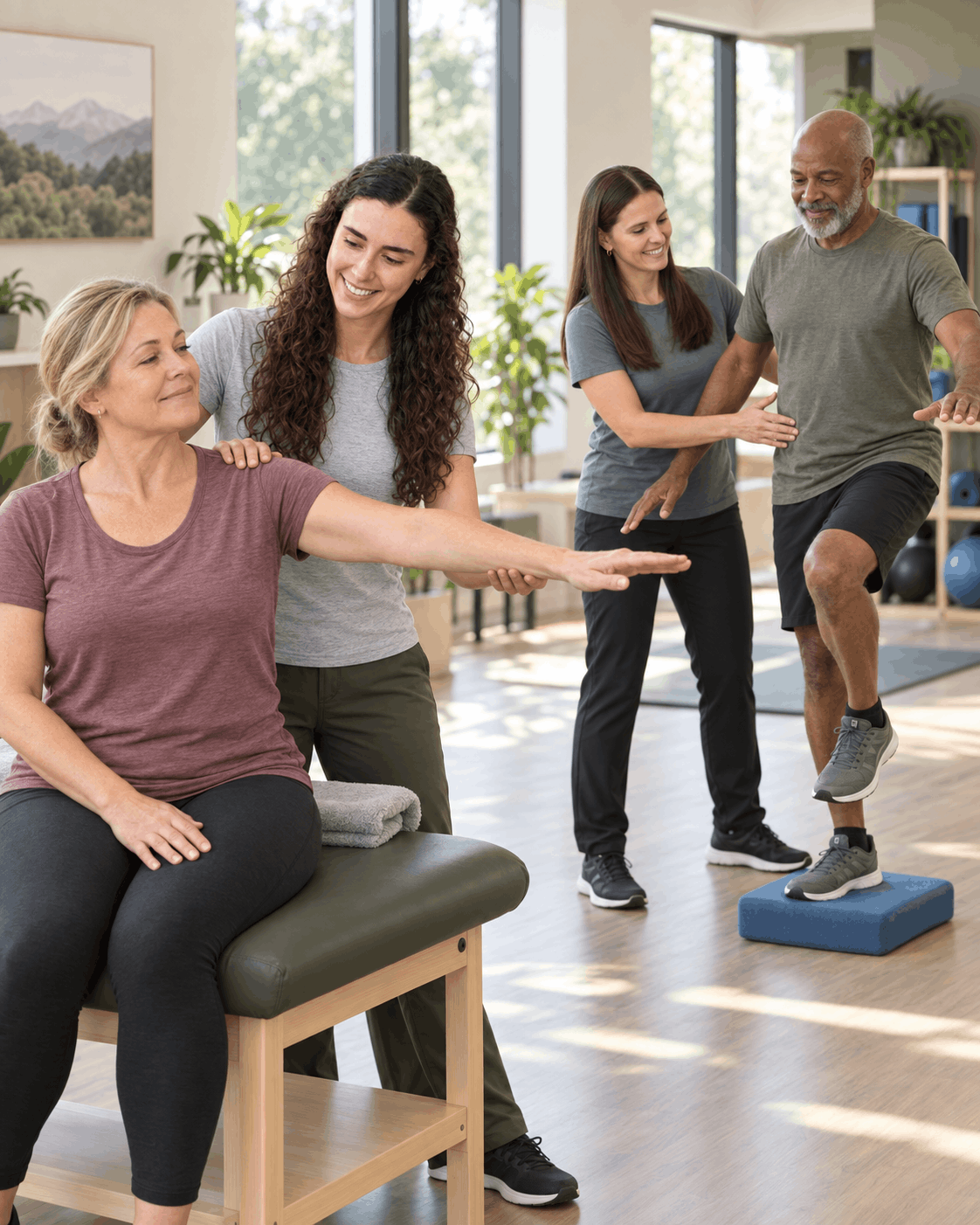
Pain in one place can begin with weakness, stiffness, poor control, or compensation somewhere else. That is why our therapists look beyond the immediate symptom.
We connect hands-on treatment, progressive exercise, and practical movement modifications to your broader health—so improvement carries into work, exercise, and daily life.
One practice. More ways to help you move.
From orthopedic rehabilitation to vestibular, TMJ, and pelvic health care, your plan is built around the problem you are actually experiencing.
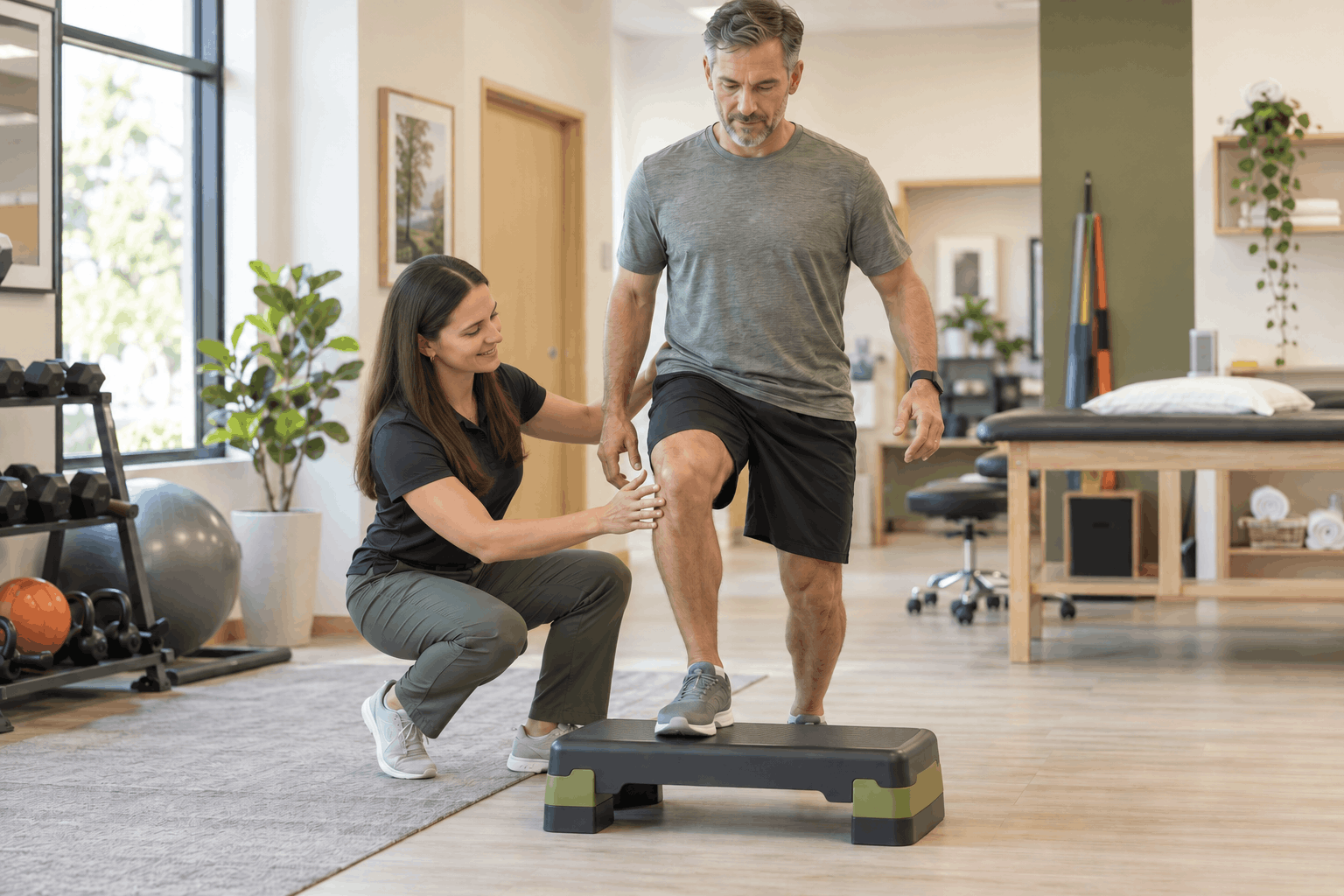
Pain, injuries, and recovery
Low back and neck pain, joint and muscle concerns, post-operative rehabilitation, radiculopathy symptoms, weakness, and return to activity.
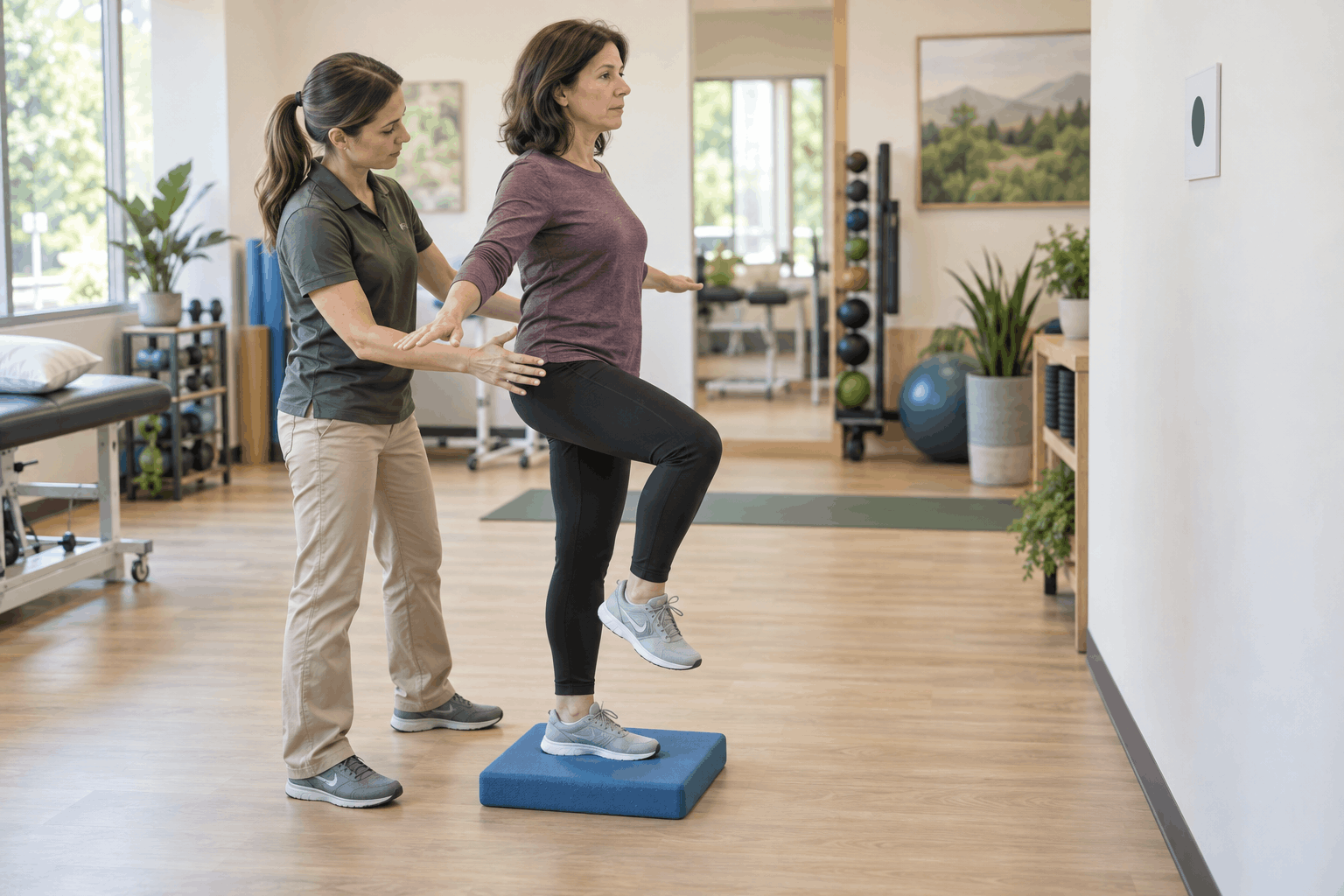
Balance, vertigo, and dizziness
BPPV, vestibular hypofunction, concussion-related symptoms, cervicogenic dizziness, gait, and balance.
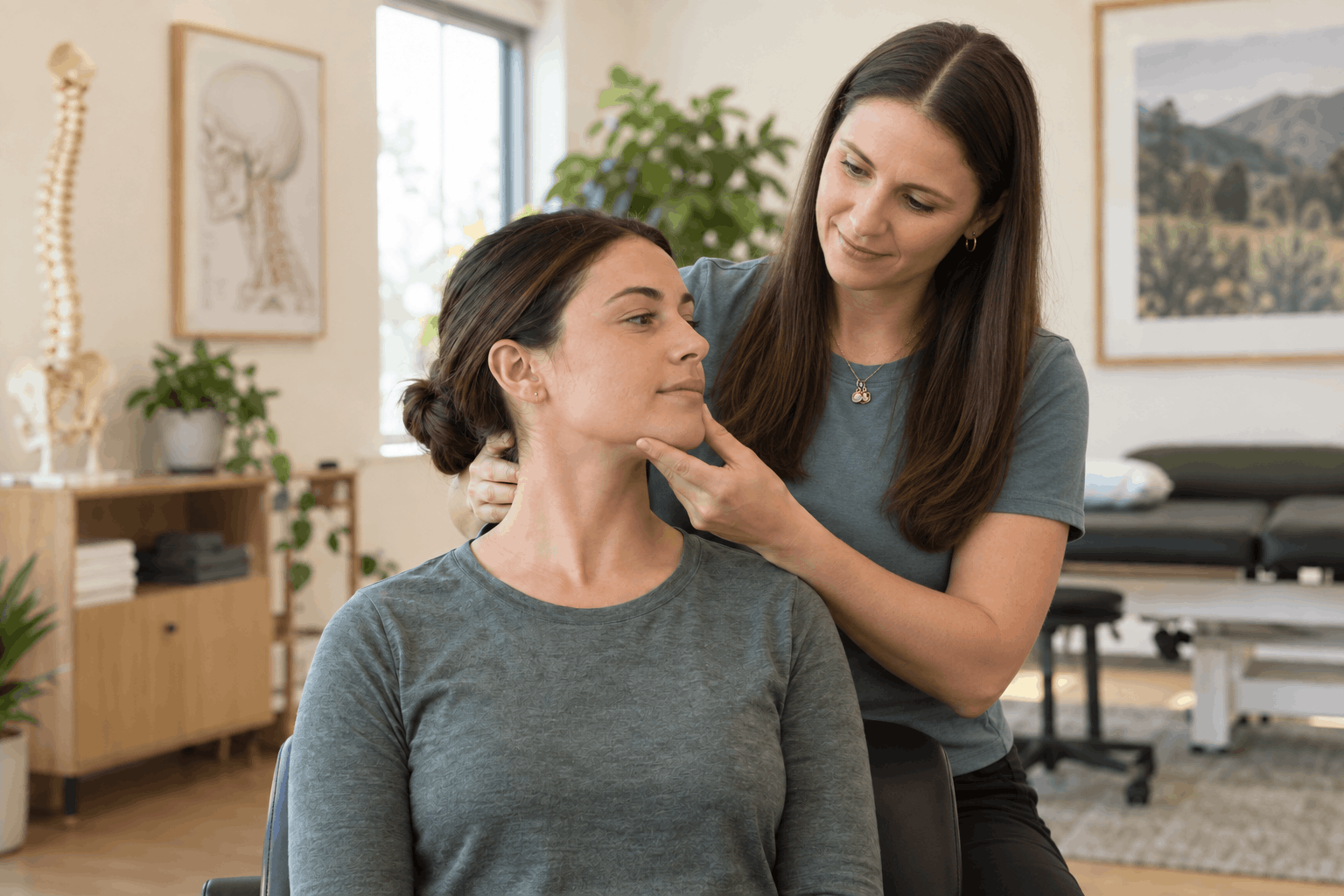
TMJ, headaches, and cervical care
Focused assessment of the jaw, neck, and related movement patterns.

Private, individualized rehabilitation
Care for urinary, bladder, pelvic floor, and women’s health concerns.

Functional movement
Identify mobility, control, and strength deficits that limit exercise and daily function.
A plan made to change as you do.
Progress is not assumed. It is reassessed, measured, and used to guide what comes next.
Understand the full picture
Your first evaluation explores pain, weakness, mobility, posture, balance, history, goals, and how your muscles and joints work together.
Build the right plan
Your therapist combines hands-on care, progressive exercise, education, and movement changes tailored to your condition and daily life.
Measure and evolve
Follow-ups track pain, range of motion, strength, and real-world function. The plan changes as your body and goals change.
Tools that support—not replace—skilled therapy.
We use technology selectively when it adds comfort, useful measurement, or another way to support recovery.
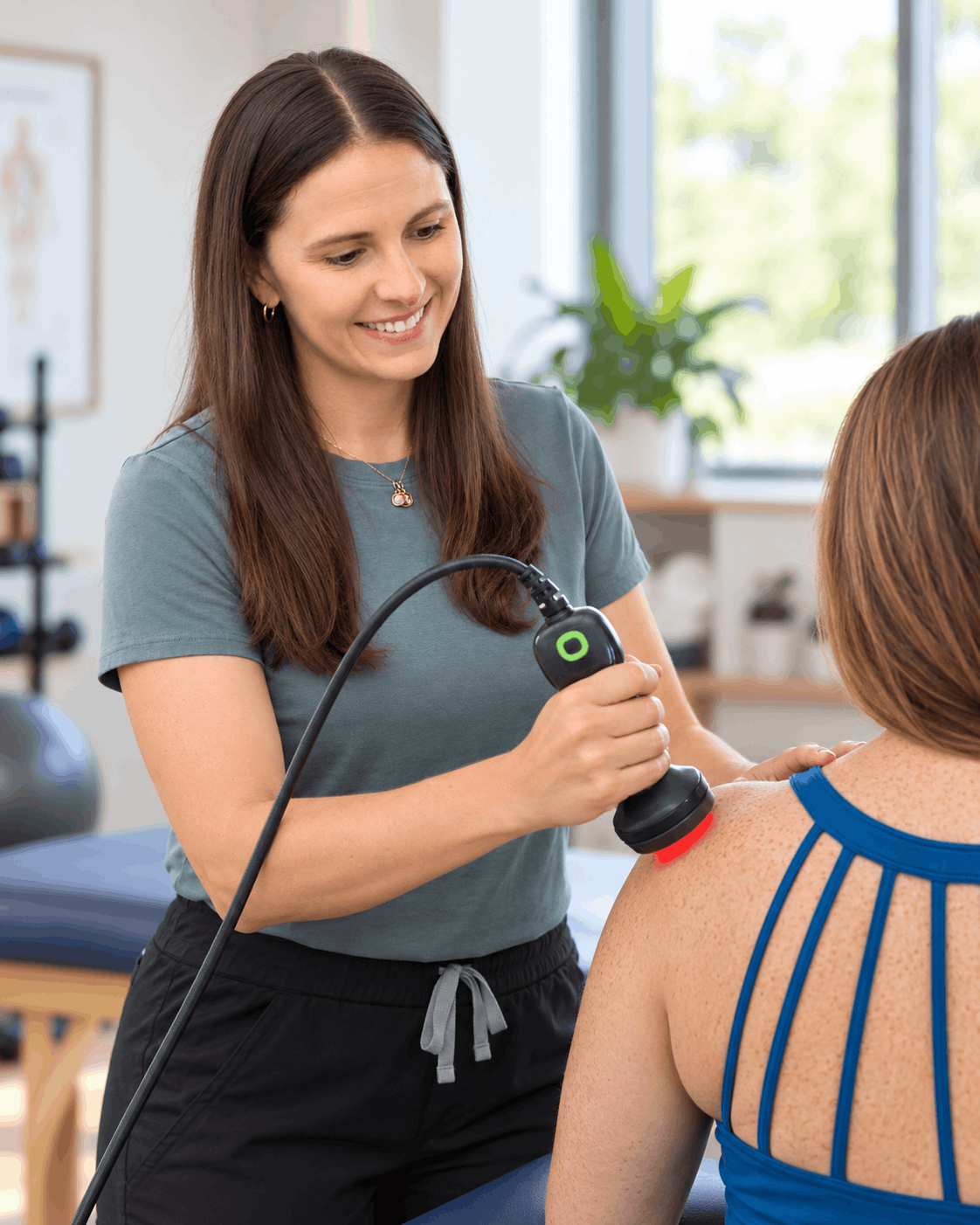
LightForce® Laser
Photobiomodulation may help reduce pain and inflammation while supporting the body’s healing process.
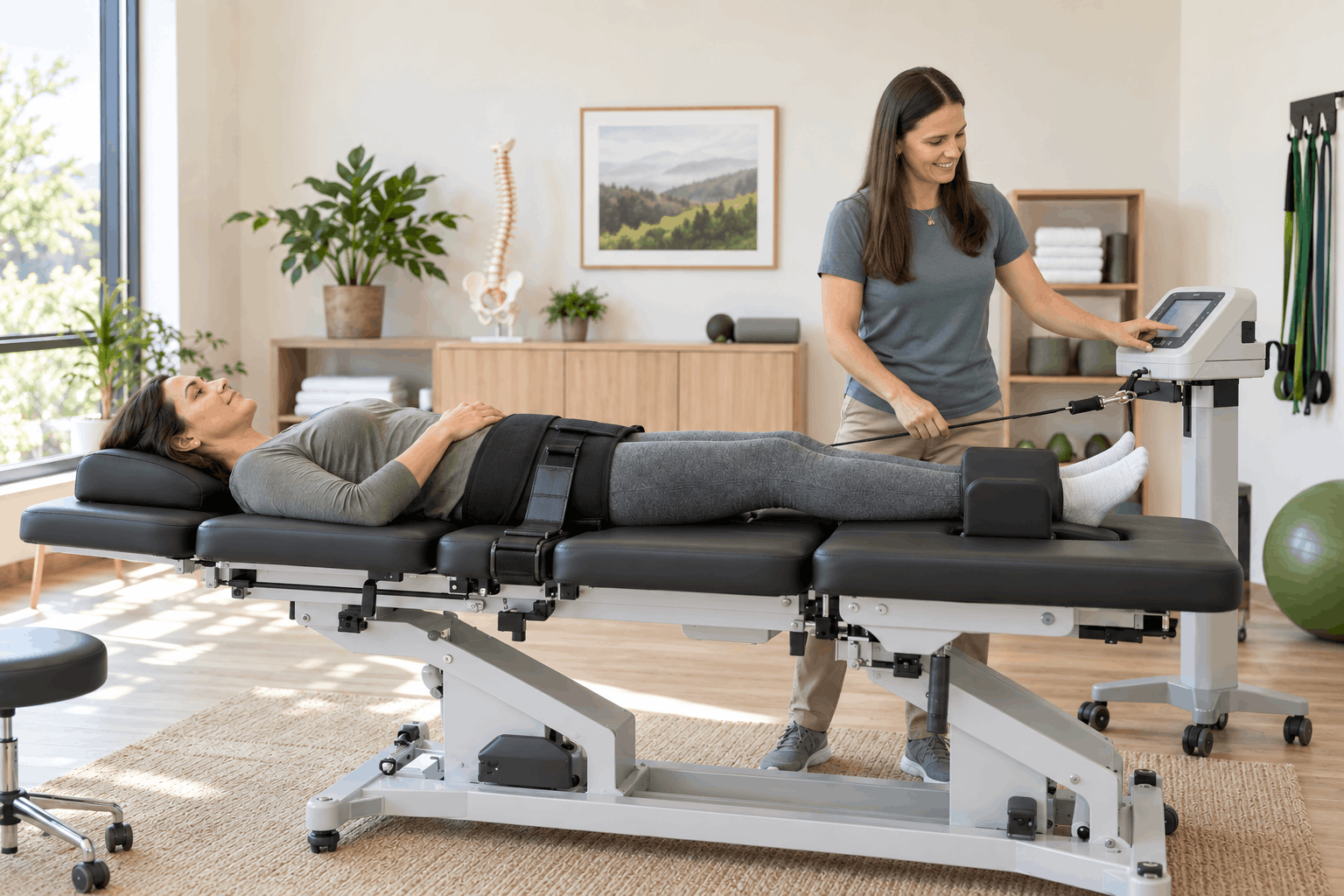
Chattanooga® Traction
Gentle, computer-controlled spinal distraction when your therapist determines it is appropriate for your condition.
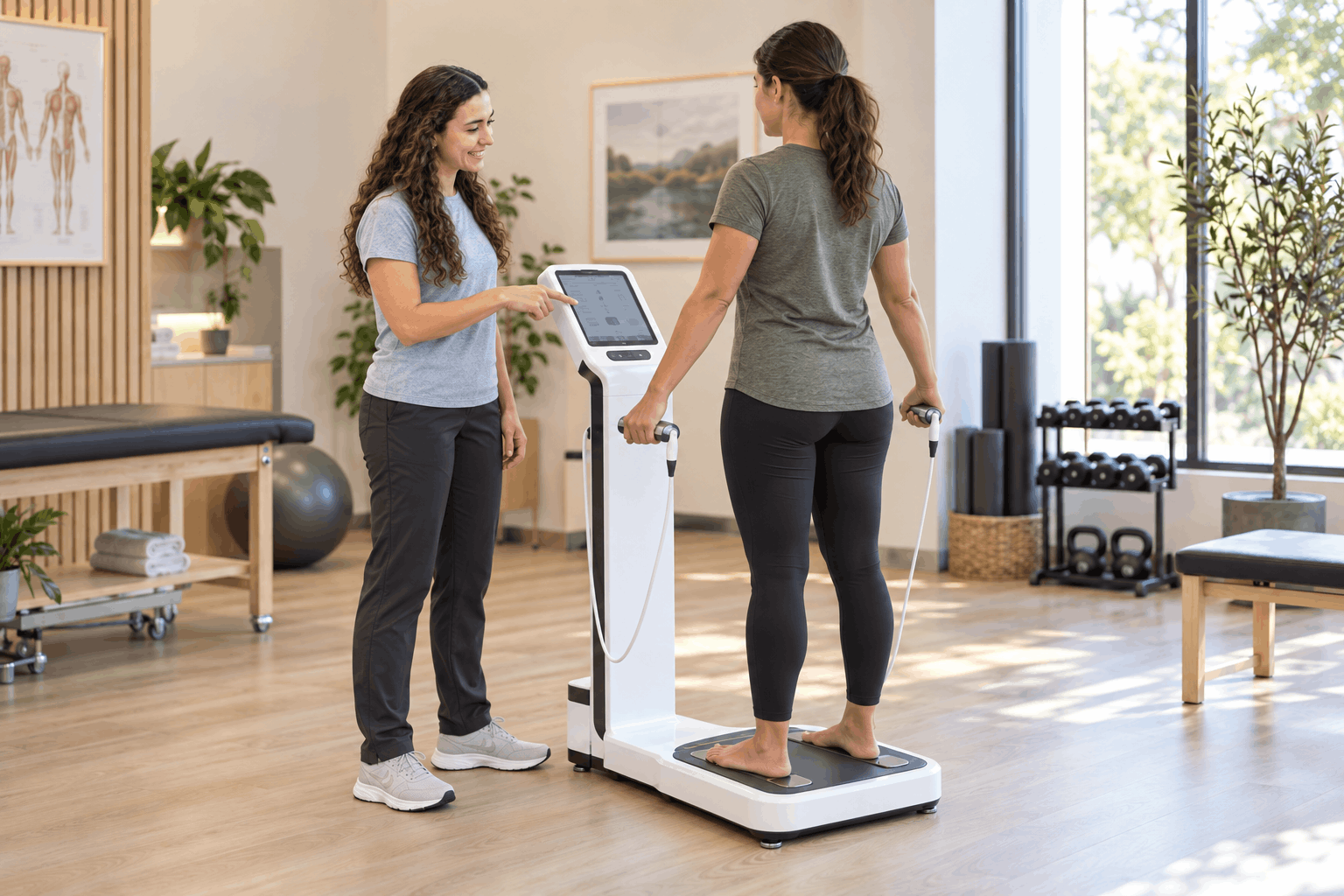
InBody Composition
Track skeletal muscle, body-fat percentage, and segmental differences when these measures support your goals.
Different specialties. One whole-person philosophy.
Evidence-based care, careful listening, and movement strategies designed for real life.
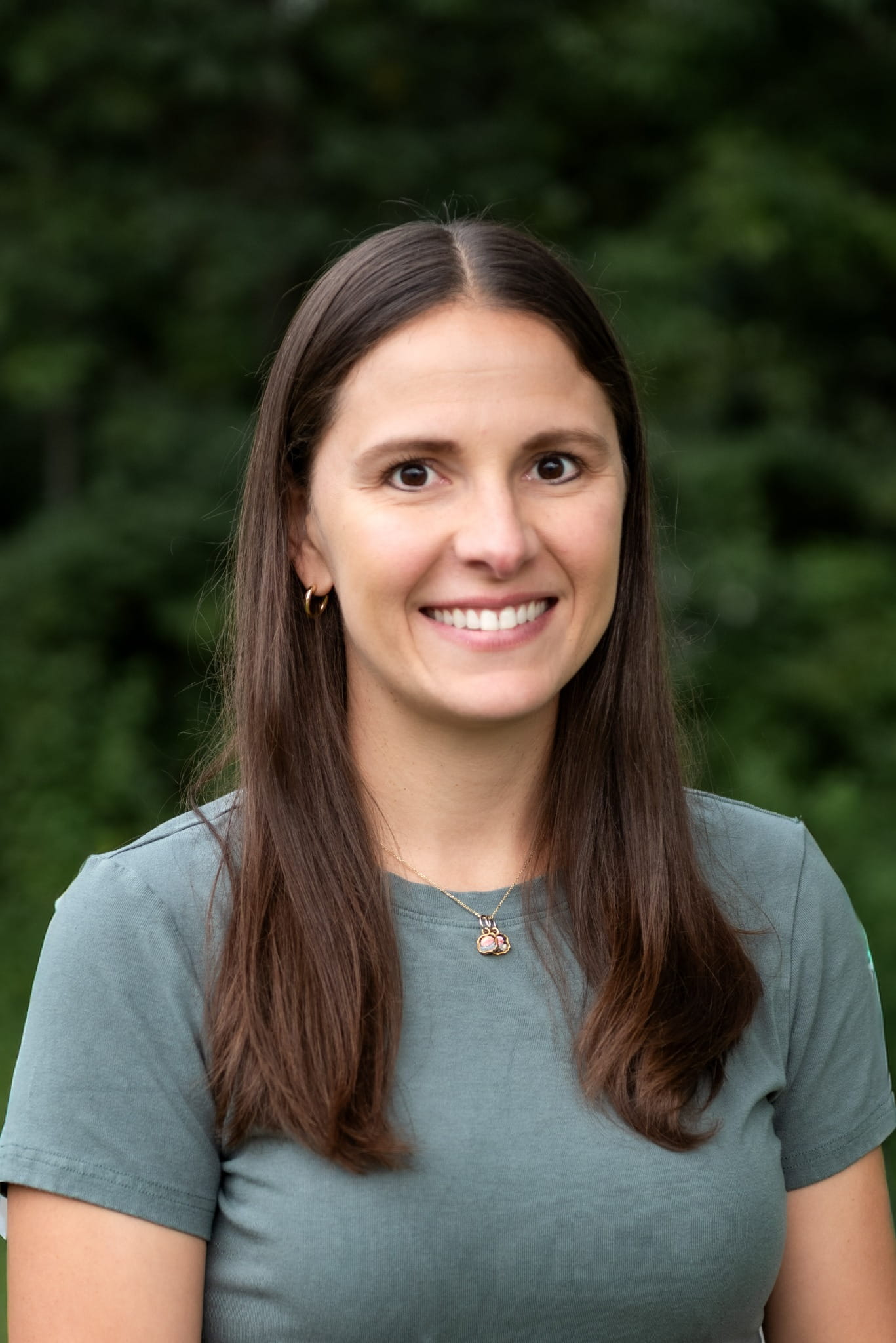
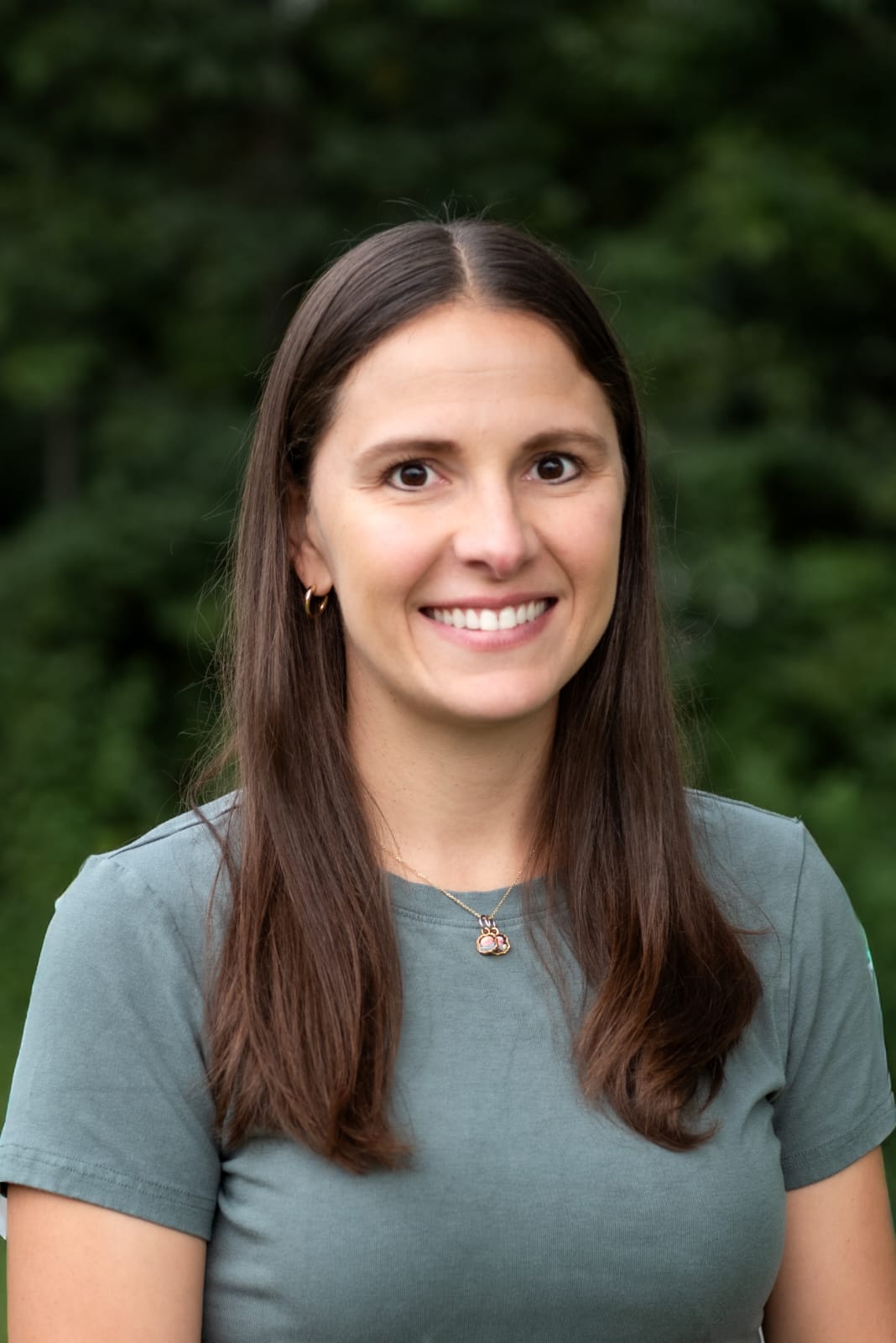
Amber Kubrick, PT, DPT
Orthopedic and musculoskeletal care, gait and balance dysfunction, and vestibular disorders including BPPV, vestibular hypofunction, concussion, and cervicogenic dizziness.
Read Amber’s approach
Amber earned her DPT from Wheeling University in 2016. She incorporates Pilates-based principles and is SFMA certified, allowing her to evaluate the body as an integrated system. Her approach emphasizes movement quality and lasting function.
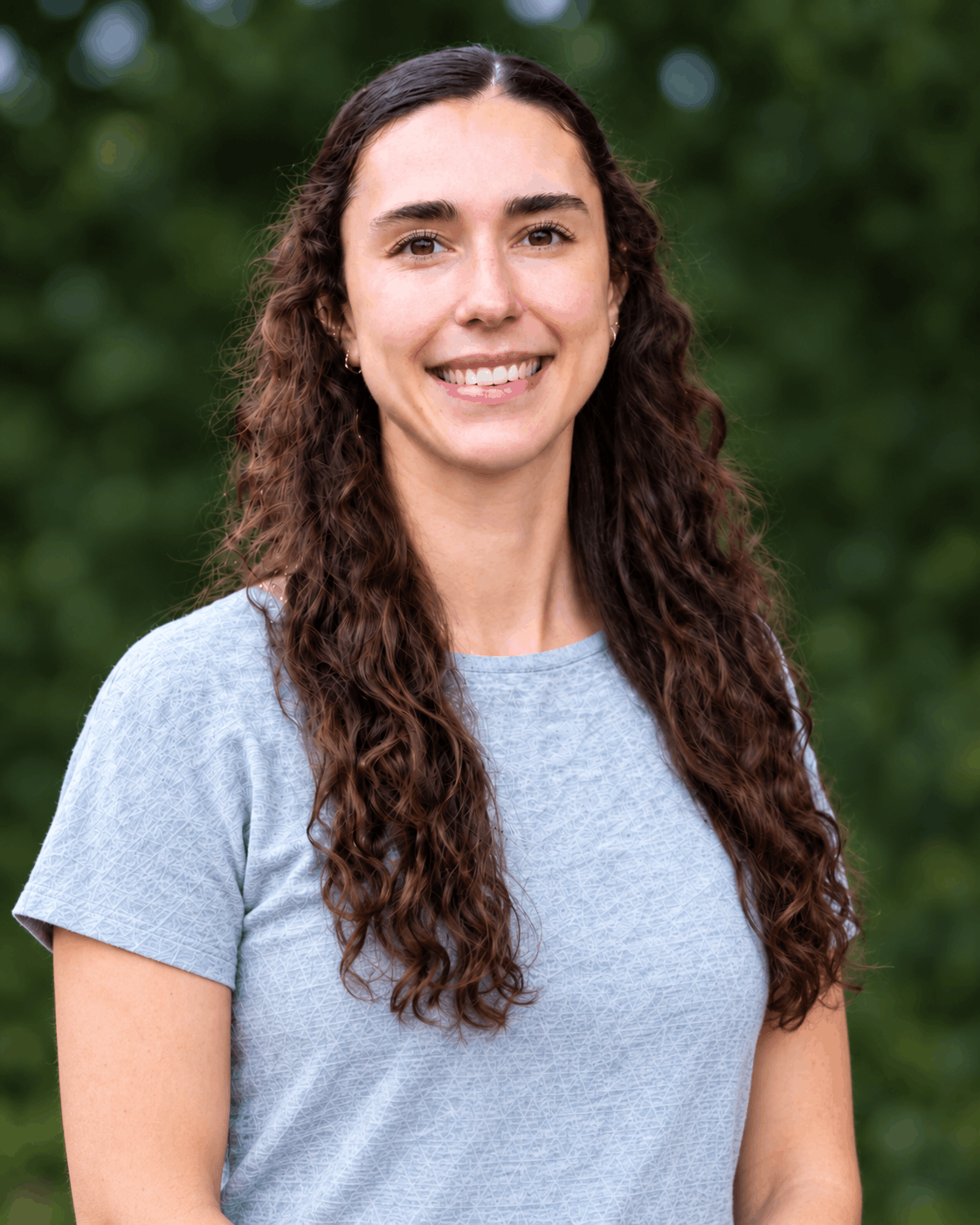
Emilie Raymond, PT, DPT
TMJ, headaches, cervical spine care, women’s health, and pelvic rehabilitation.
Read Emilie’s approach
Emilie earned her DPT from Slippery Rock University in 2023. Her continuing education in craniomandibular disorders focuses on TMJ clicking, popping, locking, pain, function, and headaches related to the cervical spine.